Five Shifts To Move From Firefighter to Leader.
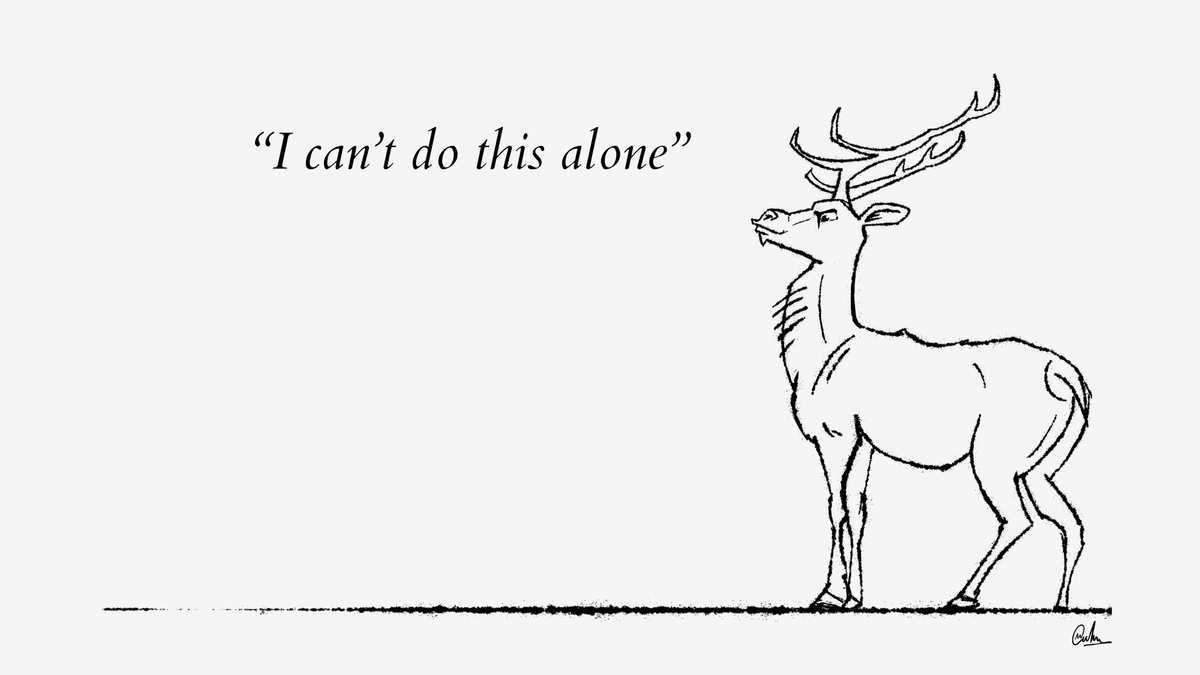
Many leaders become firefighters without even realising it.
At first, it feels responsible.
You stay involved.
You solve problems quickly.
You answer every question.
You keep standards high.
You make sure nothing drops.
And for a while, it works.
Until one day, the business cannot move without you.
Every decision comes back to your desk.
Your team keeps checking in before acting.
You cannot switch off because everything still feels like your responsibility.
Not because your team is weak.
Because somewhere along the line, control started to feel safer than trust.
I see this a lot in leadership teams.
The leader becomes exhausted.
The team becomes dependent.
And everybody quietly starts waiting for permission.
In The River Dialogues, this is often where the Rat takes over.
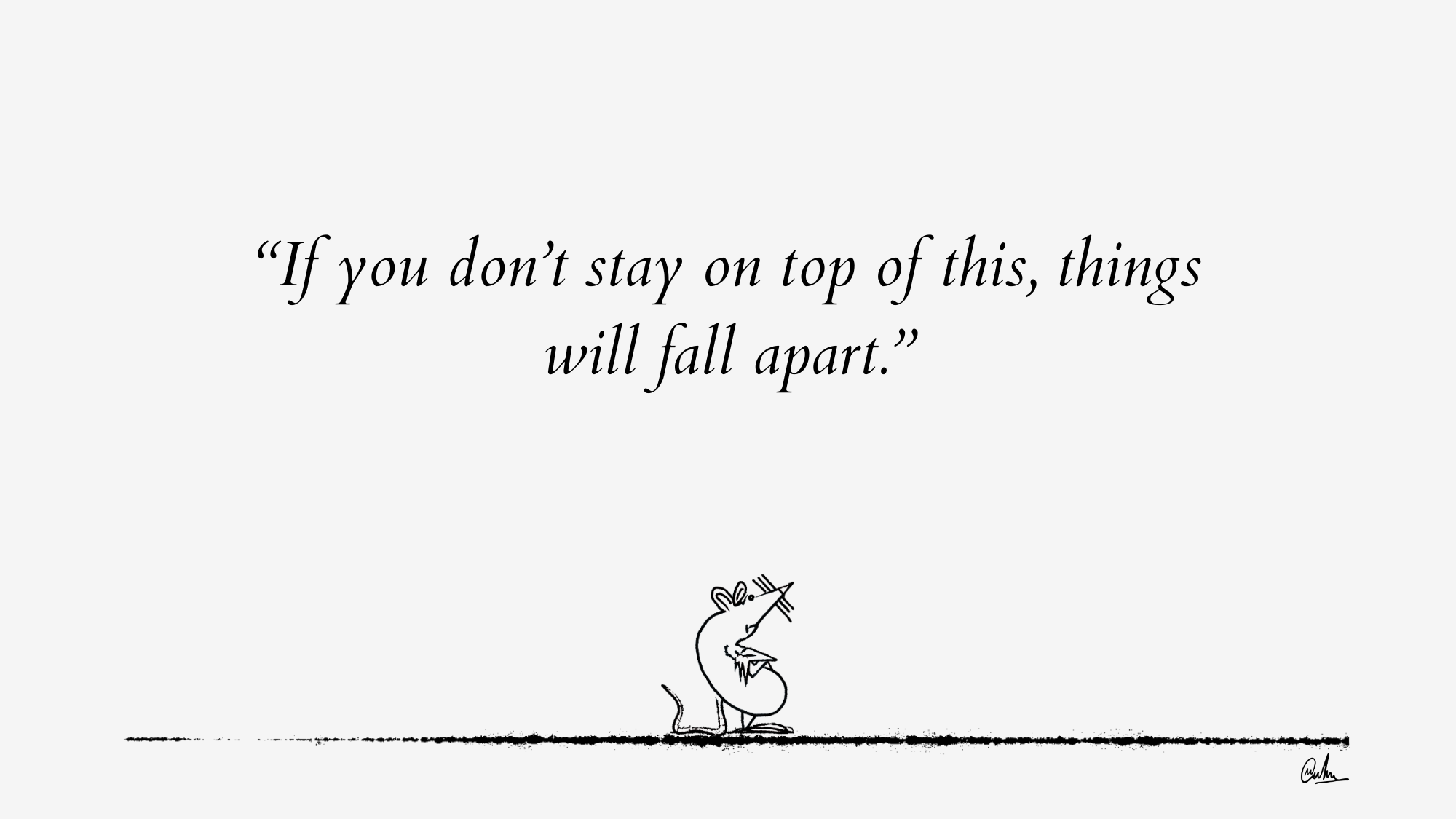
So the Stag keeps carrying more.
More decisions.
More pressure.
More emotional weight.
But leadership gets very heavy when everything depends on one person.
Here are five shifts that help leaders move from firefighter to leader.
1. Define the destination, not every step
If your team has to ask you how to do everything, they are not really leading.
They are following instructions.
Clear leadership is not about controlling every move.
It is about helping people understand where they are going and why it matters.
Then giving them room to think.
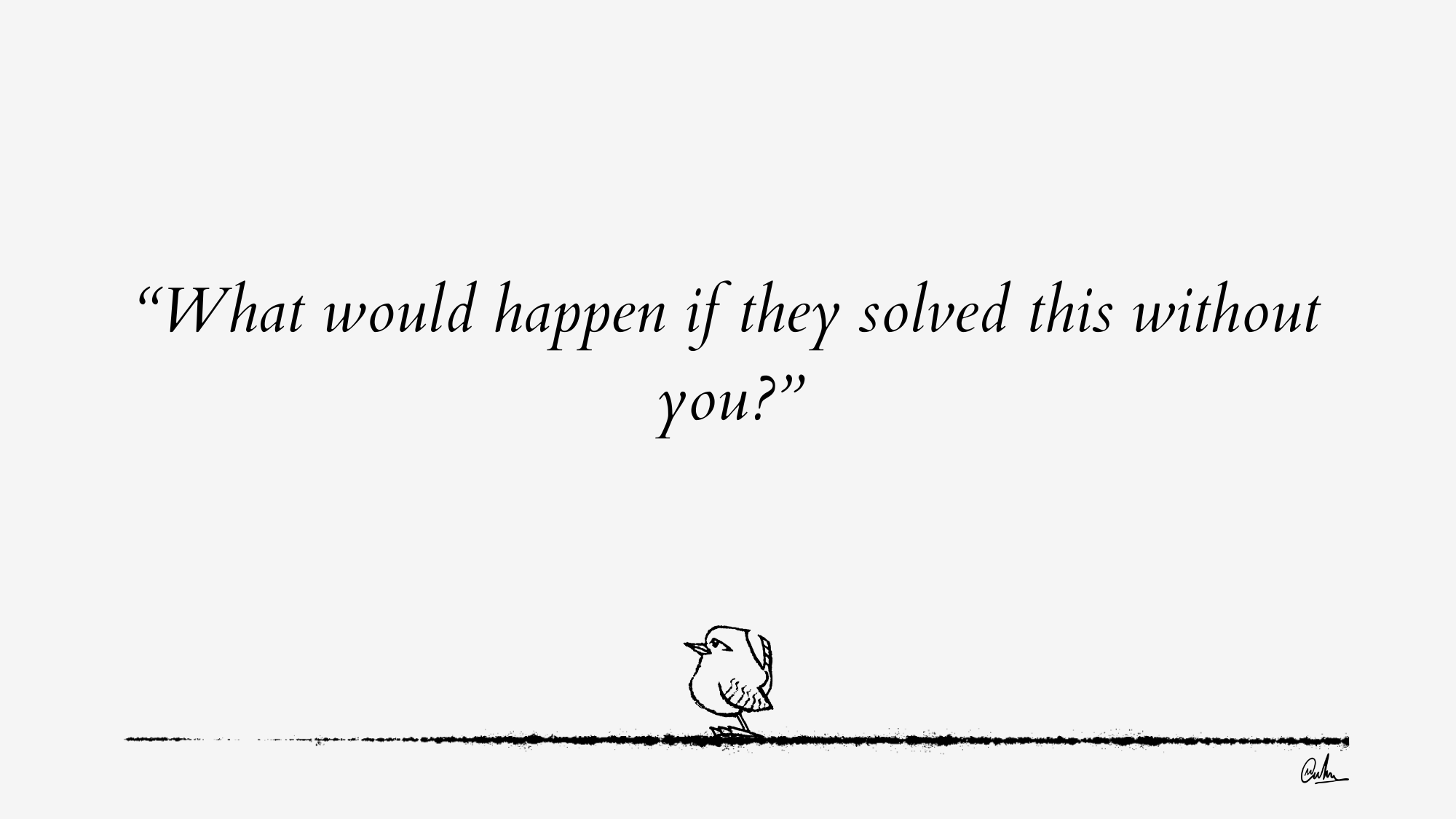
That question alone can reveal a lot.
2. Stop being the Chief Answer Officer
Most leaders answer too quickly.
A problem appears, and they jump straight into fixing mode.
It feels productive in the moment.
But over time, it teaches the team to rely on the leader’s thinking rather than develop their own.
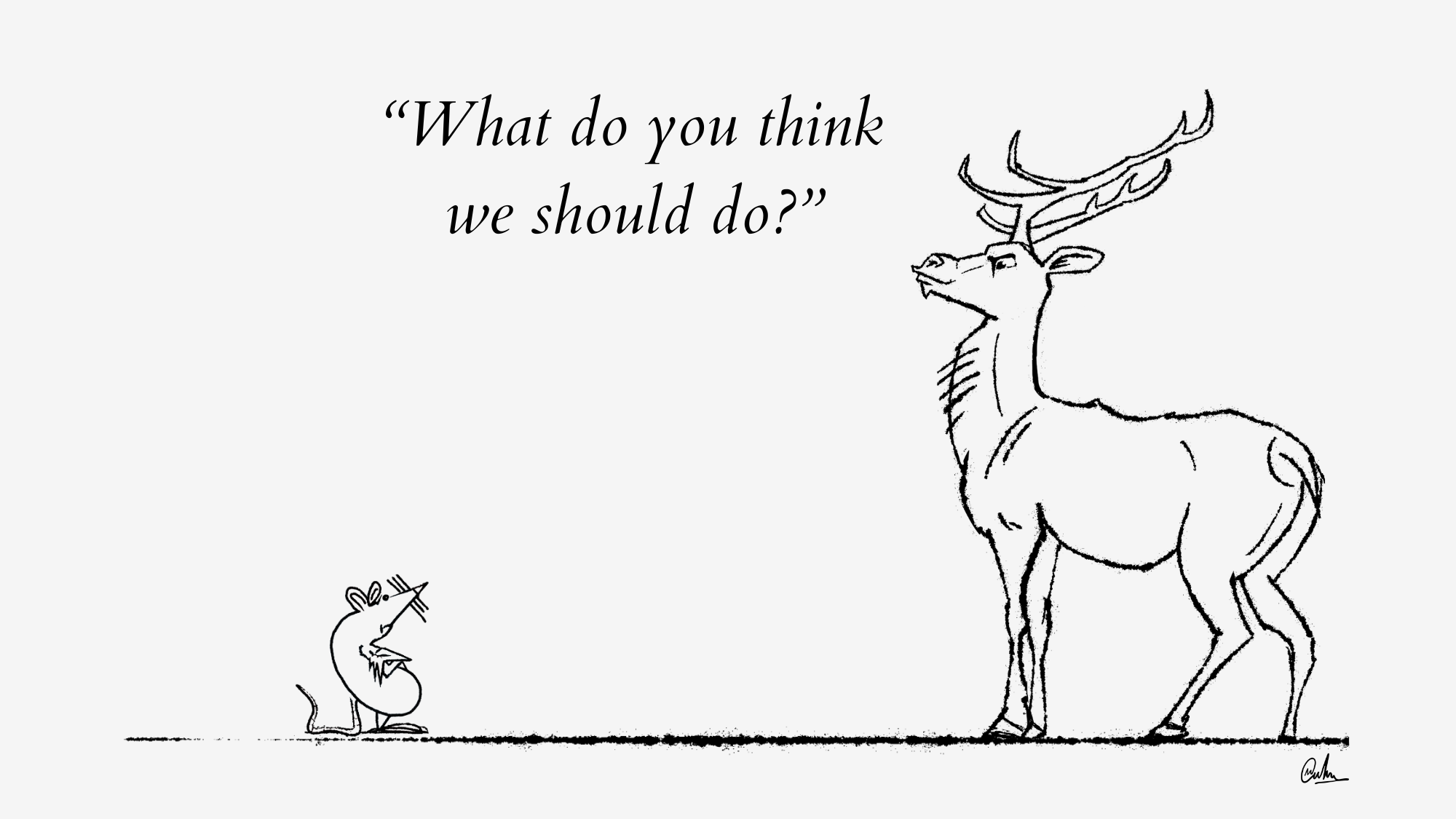
Not as a management technique.
As a genuine question.
That is how people grow judgment and confidence.
3. Build leaders, not dependency
A lot of founders accidentally build businesses around themselves.
Every important conversation needs them.
Every decision needs approval.
Every difficult situation moves upward.
The business grows.
But freedom disappears.
Strong leadership is not about being needed all the time.
It is about building people who can carry responsibility without constant supervision.
4. Normalise learning under pressure
Teams become hesitant when mistakes feel dangerous.
People overthink.
Play safe.
Avoid decisions.
Escalate everything upward.
Good teams talk honestly about what happened, make the adjustment, and move forward without turning every mistake into blame or drama.
That creates confidence.
And confidence creates momentum.
5. Create peer accountability
If you are the only person driving standards, eventually you become exhausted.
A healthy culture is not built on one leader constantly correcting people.
It is built when the standard belongs to the team.
When people can challenge each other respectfully, ownership spreads across the business rather than resting on one pair of shoulders.
Leadership gets lighter when everything stops depending on you.
If you need space to think clearly, consider working with me.